

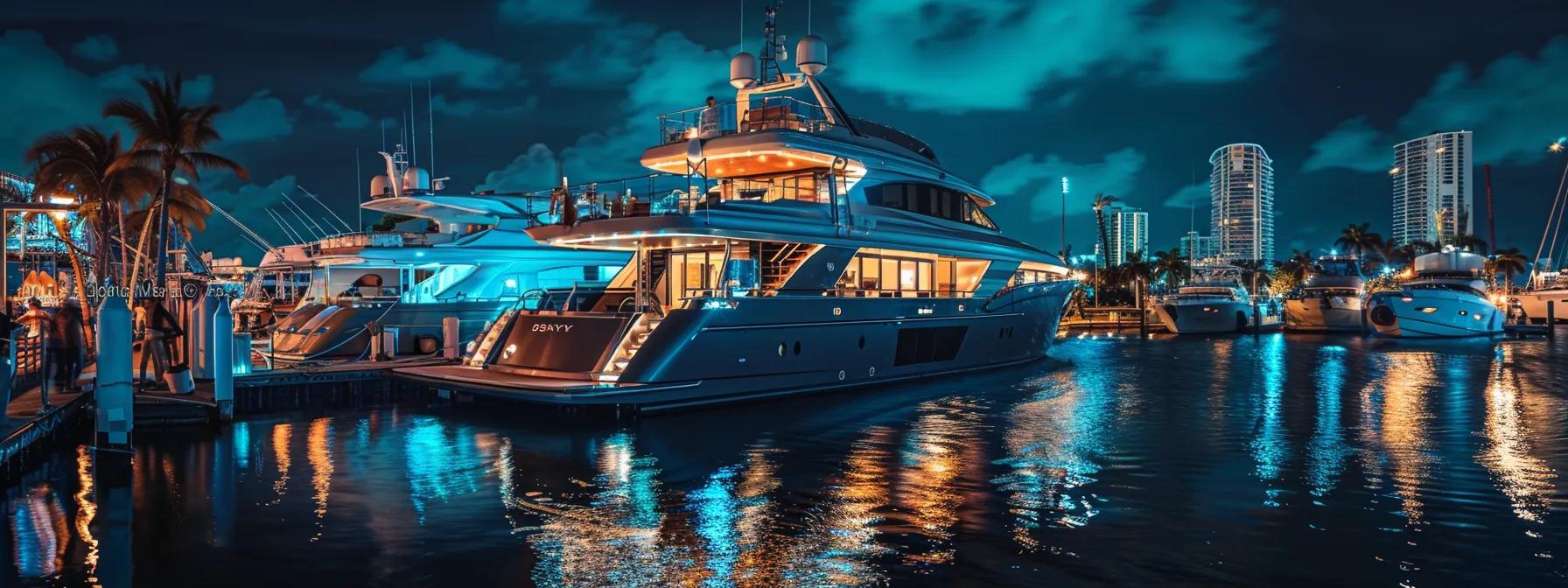
Navigating Yacht Inspections Through Fort Lauderdale Brokers
What to Expect From Yacht Inspections While Collaborating With Brokers in Fort Lauderdale
In the world of luxury yacht acquisitions, inspections represent a critical checkpoint that can make or break a deal. For ultra-high-net-worth individuals, ensuring due diligence, regulatory compliance, transparent communication, and a thorough evaluation of the vessel’s condition is paramount. Moretti Yachts and other premier brokerages in Fort Lauderdale understand that yacht inspections are not merely a formal exercise, but a pivotal moment in the journey toward secure ownership and successful transactions. A knowledgeable broker can streamline this process by leveraging their network of trusted surveyors, coordinating logistics, and interpreting detailed survey reports—all while safeguarding a client’s investment in these high-value assets.
This article explores every facet of yacht inspections in Fort Lauderdale as experienced in collaboration with a trusted broker. It covers the contribution of your Fort Lauderdale broker during every stage of the inspection journey, offers essential background information about various inspection types, and explains how brokers help prepare you for inspection day and analyze the resulting survey documents. Further, the discussion lays out strategies for managing post-inspection outcomes and highlights the financial aspects relevant to yacht inspections. With detailed insights, data-backed examples, tables, and comprehensive FAQs, readers will gain an in-depth understanding of the intricacies of yacht inspections and how brokerage expertise plays a decisive role in ensuring a successful acquisition.
Transitioning into the main content, the following sections detail the stages of the inspection process, the role of your broker, and practical steps for navigating this complex but critical phase of yacht buying.
Your Fort Lauderdale Broker‘s Contribution to the Yacht Inspection Journey

Effective yacht inspections begin long before the surveyor steps aboard the vessel. Your Fort Lauderdale broker acts as a trusted liaison who not only initiates the inspection process but also ensures that every detail of the vessel’s condition is scrutinized.
How Brokers Assist in Arranging Yacht Inspections in Fort Lauderdale
Brokers possess extensive experience in coordinating yacht inspections, leveraging years of industry partnerships. They identify and recommend reputable marine surveyors who have the expertise to meticulously evaluate a yacht’s hull, engine systems, electronics, and onboard technology. This early arrangement is vital, as it sets the stage for a thorough and unbiased inspection. Brokers coordinate appointment dates that align with the seller’s availability and your schedule, ensuring a streamlined process. Their proactive approach minimizes potential delays and facilitates timely access to the vessel. Furthermore, brokers often communicate with surveyors to clarify inspection protocols, ensuring that all regulatory compliance and safety protocols are integrated into the evaluation process.
Selecting a Reputable Marine Surveyor With Your Broker‘s Guidance
Brokers in Fort Lauderdale draw on a curated network of marine surveyors whose credentials and work practices are verified. They evaluate surveyors based on previous inspections, certifications, and their familiarity with contemporary marine construction techniques. This guidance is crucial as surveyors not only assess the vessel’s visible issues but also detect hidden defects that could affect market value and long-term ownership costs. A trusted broker will guarantee that the marine surveyor conducts a holistic inspection—from structural integrity assessments to onboard system evaluations—ensuring that potential risks related to regulatory compliance, safety, and maintenance are duly identified. Brokers also verify that the surveyor’s methodologies align with industry standards, which protects clients from costly future repairs.
The Broker‘s Role During the Actual Yacht Inspection Process
During the inspection, your broker operates in a dual role: a facilitator and an advocate. They are present to ensure that the surveyor has unrestricted access to all compartments and hidden areas of the yacht. Additionally, brokers help you understand the process by explaining technical terms and guiding you as questions arise during the survey. Their presence ensures that every critical component—from the condition of the hull and deck to the performance of propulsion systems—is meticulously documented. This hands-on involvement not only builds trust but also provides transparency, as the broker relays live insights and key findings from the surveyor. Being well-versed in maritime transport, yacht engineering, and market value assessments, brokers can quickly identify discrepancies or areas of concern that might require further expert opinion or immediate action.
Understanding Survey Results With Your Fort Lauderdale Broker‘s Insight
After the inspection, the surveyor generates a detailed report that can be technical and difficult to decipher without proper experience. Here, your broker’s insight transforms the technical jargon into actionable intelligence. They work closely with you to analyze the survey report, highlighting critical issues such as engine degradation, structural weaknesses, or outdated onboard electronics. Your broker provides a clear summary of the vessel’s condition, explaining which deficiencies are typical for the yacht’s age or build and which issues may significantly affect its value. Through their expertise, brokers help prioritize repairs and evaluate how these findings may influence your negotiation strategy.
Broker Involvement in Discussions Following the Yacht Inspection
Once the survey is complete and its findings are shared, the broker transitions into an advisory role in any subsequent negotiations. They engage with the seller on your behalf to discuss repair costs, potential reductions in the asking price, or adjustments in contract terms. Throughout these discussions, the broker’s intimate understanding of the forthcoming maintenance issues and market trends serves to protect your investment. By providing comparative market data—analyzing similar vessels that incurred similar inspection findings—the broker supports a more informed decision-making process. This involvement ensures that any communicated potential risks are comprehensively acknowledged and addressed during contract modifications, ultimately smoothing the pathway toward a successful transaction.
Essential Information About Yacht Inspections When Partnering With a Fort Lauderdale Broker

For yacht buyers, especially those venturing into high-value acquisitions, understanding the details of different yacht inspections is as important as the purchase itself. Partnering with a Fort Lauderdale broker ensures that you receive expert guidance covering every facet of the inspection process.
Different Categories of Yacht Inspections You Should Be Aware Of
Yacht inspections typically fall into several categories, each designed to address specific needs. A standard pre-purchase inspection often includes a hull and structural inspection, engine performance assessment, and verification of onboard electronics. Some buyers opt for a comprehensive marine survey that covers everything from safety equipment checks to sea trials and regulatory compliance reviews. Specialized inspections, such as environmental assessments or electrical system evaluations, may be necessary for older yachts or vessels operating in unique conditions. Brokers help determine which type of inspection is most appropriate for your purchase by considering the yacht’s age, build quality, and intended usage. Their expert advice ensures that you do not overlook any critical assessment that could affect safety, ownership costs, or long-term value.
Principal Areas Examined During a Fort Lauderdale Yacht Inspection
In Fort Lauderdale, a yacht inspection scrutinizes numerous critical areas to assess the vessel’s overall condition. Surveyors closely examine the hull structure for cracks, blisters, or signs of corrosion, which can be detrimental to the integrity of the ship. Engine and propulsion systems are tested for performance efficiency, and all electronic systems are checked for compatibility with modern navigation and safety standards. The inspection also encompasses the integrity of onboard systems such as sewage treatment, electrical wiring, and communication systems. A comprehensive understanding of these aspects is vital as they directly impact the yacht’s safety, reliability, and market value. Your broker explains each element of the inspection process and ensures that no significant area is left unchecked, enabling you to have a complete picture of the vessel’s condition.
What to Anticipate From Sea Trials as Part of the Inspection
Sea trials form an integral component of many yacht inspections. During a sea trial, the yacht is taken out on open water to assess its behavior under real-life conditions. This stage evaluates engine performance, maneuverability, speed, and overall seaworthiness. Sea trials can reveal issues that are not apparent when the vessel is docked, such as handling deficiencies in rough waters or under load conditions, as well as performance variances that could affect long-term usage. Fort Lauderdale brokers ensure that these trials are conducted by reputable surveyors and that they align with established standards for maritime safety. The findings from the sea trial are then contextualized within the broader inspection report, providing a dynamic perspective on the yacht’s operational capabilities—a key element that influences its purchase price and future maintenance budget.
The Purpose of Haul-Outs for Yacht Inspections in Fort Lauderdale
A haul-out inspection is performed when a yacht is temporarily brought out of the water to allow a comprehensive evaluation of areas normally submerged. This unique process allows surveyors to inspect the condition of the hull, propellers, and keel in detail, revealing issues such as marine growth, corrosion, or structural deformations. Haul-outs are particularly relevant for older yachts or those that have spent prolonged periods in saltwater—a common scenario in Fort Lauderdale’s busy port environment. By facilitating a thorough cleaning and inspection, the haul-out process ensures that potential hidden defects are identified early, thereby reducing future repair costs. Brokers coordinate haul-out inspections meticulously, ensuring that all logistical, safety, and environmental considerations are addressed before and during the process.
Key Points Regarding Engine and Onboard Systems Checks
Engine performance and the integrity of onboard systems are at the heart of any yacht inspection. Surveyors examine engine parameters such as fuel consumption, emission levels, and operational temperature ranges. They also scrutinize ancillary systems like electrical panels, navigation instruments, and communication devices to ensure they meet modern safety standards and regulations. These checks are vital as they directly impact the practical usability of the yacht and its compliance with international maritime standards. Your broker plays an essential role by clarifying the technical details and contextualizing the findings in terms of investment value—explaining how a well-maintained engine coupled with operational onboard systems contributes to the vessel’s reliability and resale potential. Such detailed inspections help guarantee that your yacht not only meets current regulatory requirements but also promises optimal performance for years to come.
Preparing for the Yacht Inspection Day With Your Fort Lauderdale Broker‘s Support

Preparation for the yacht inspection day is as critical as the inspection itself. A well-prepared buyer, guided by an experienced broker, can ensure that the process is executed smoothly and that all relevant details are addressed. Strategic planning and clear communication help to mitigate risks associated with potential defects, ensuring the transition from pre-purchase evaluation to finalization is seamless.
Pertinent Questions to Pose to Your Broker Before the Yacht Inspection
Before the inspection day, it is essential for buyers to arm themselves with a list of specific questions for their broker. These questions may include inquiries about the surveyor’s credentials, the scope of the inspection, and anticipated costs associated with any necessary repairs. Understanding the timing of the inspection, the expected duration of the sea trial, and the details of the haul-out process are crucial for making informed decisions. Your broker will advise on which aspects of the yacht require close attention—such as engine performance and electronic systems—and will suggest any additional evaluations that may be necessary. This pre-inspection checklist not only prepares you for the inspection day but also ensures that important safety and due diligence factors are addressed, significantly reducing the potential for unforeseen issues later in the acquisition process.
Your Participation and Conduct During the Yacht Inspection
Active participation during the yacht inspection is vital for capturing firsthand insights about the vessel. Buyers are encouraged to attend the inspection, ask clarifying questions, and document areas of concern. A professional broker facilitates this involvement by moderating discussions between the surveyor and the owner, ensuring that technical details are communicated clearly. Demonstrating an informed and engaged presence during the inspection can also help in negotiating repairs or price adjustments later. Your conduct should be one of meticulous observation, noting both the physical condition of the yacht and the demeanor of the surveyor. This active involvement underscores your due diligence, thereby providing a more robust basis for making a sound purchase decision.
Documentation Your Broker Helps Organize for the Surveyor
Proper documentation is a cornerstone of the yacht inspection process. Prior to the survey, your broker gathers essential documents including maintenance logs, previous inspection reports, warranty information, and certifications of compliance with maritime regulations. These documents provide a historical record of the yacht’s condition and are instrumental in evaluating its current state. Your broker assists in organizing all relevant paperwork, ensuring that the surveyor receives complete and coherent documentation, which in turn facilitates a comprehensive evaluation. This level of organization reduces the risk of omissions and ensures that every technical detail—from engine hours to hull maintenance records—is transparently available for review. Comprehensive documentation not only aids in the inspection process but also supports your negotiation strategy during and after the survey.
Managing Your Outlook for the Yacht Inspection Findings
Managing expectations is crucial during the inspection process. It is important for buyers to prepare mentally and financially for the possibility of unexpected repair recommendations or discrepancies in the survey report. Your broker plays a key role in framing the inspection outcomes within the context of the yacht’s overall market value and long-term potential. They provide assurance by comparing the vessel’s condition to industry benchmarks, explaining which findings may be typical for a yacht of its age and which issues represent significant concerns likely to incur additional costs. By maintaining a pragmatic outlook, you can focus on negotiating effectively rather than being overwhelmed by technical details. This balanced perspective, nurtured by your broker, supports a measured response to the findings and strengthens your position in any subsequent negotiations with the seller.
Logistical Coordination Your Fort Lauderdale Broker May Oversee
On the day of the inspection, logistical coordination is vital and is one of the many services your broker offers. They handle scheduling the inspection at a time that minimizes disruptions, coordinate access to the vessel, and even manage transportation to and from the marina. Your broker ensures that all parties are in sync, from the surveyor arriving on time to having designated areas cleared for thorough evaluation. This coordination extends to mitigating potential delays caused by weather or dock availability. By handling these logistical complexities, your broker allows you to focus on the inspection‘s substantive details rather than administrative hassles. When all elements are synchronized, the process flows smoothly, ensuring that you obtain a detailed and accurate assessment of the vessel’s condition, which is indispensable for making an informed investment decision.
Analyzing the Yacht Survey Document Alongside Your Broker in Fort Lauderdale
Once the yacht inspection is complete, the detailed survey document becomes a pivotal tool for determining the vessel’s true condition. Analyzing this report alongside your broker is essential to distill technical information into actionable insights that directly influence your purchase strategy. A methodical review of the document, led by your broker’s expert interpretation, safeguards against hidden risks and helps secure a fair transaction.
Vital Segments Within the Survey Document Requiring Close Attention
The yacht survey document contains several critical segments that require careful examination. Key areas include hull integrity, engine performance metrics, electrical and navigation system functionality, and the overall condition of interior fittings. Each segment is presented with technical data, photographic evidence, and the surveyor’s commentary. Your broker will focus on aspects that may indicate underlying maintenance issues or point to areas where the vessel does not meet expected standards. By pinpointing segments that reveal potential for costly future repairs, your broker aids you in assessing whether the yacht’s asking price aligns with its actual condition. Understanding these segments also provides leverage in discussions, allowing for more informed negotiations regarding price and repair obligations.
Differentiating Significant Issues From Minor Ones With Broker Support
Not all issues highlighted in the survey report are critical. Your broker plays an essential role in differentiating between significant structural or mechanical flaws and minor wear-and-tear that are typical for a yacht of a certain age. They evaluate each finding in terms of potential repair costs, the impact on safety and operational reliability, and the likelihood of these issues affecting resale value. For instance, a small chip in the hull may be superficial, whereas corrosion in critical engine components is a red flag. By prioritizing concerns, your broker ensures that you do not overreact to minor issues while still giving due attention to areas that might lead to significant future expenditure. Their expertise supports a balanced assessment of the survey document, ensuring that you focus on genuine risks while maintaining perspective on overall vessel value.
How Your Broker Assists in Comprehending Potential Repair Expenditures
Estimating repair costs based on survey findings is a critical step in the negotiation process. Your broker works with technical experts and uses historical market data to calculate realistic repair estimates for each identified issue. This may include supplementary assessments from reputed repair facilities or shipyards in Fort Lauderdale. These estimates help you understand the financial implications of the survey report and enable you to weigh the costs of immediate repairs against long-term maintenance forecasts. The broker’s comprehensive approach not only factors in raw figures but also discusses potential price fluctuations in the yacht market. With this detailed cost analysis at hand, you can negotiate more assertively, ensuring that any price reductions or repair concessions are commensurate with the investment required to bring the yacht to desired standards.
Leveraging the Survey Document for Sound Purchase Choices
The survey document serves as the cornerstone for making an informed purchase decision. By leveraging its detailed findings, your broker assists you in determining whether the current asking price reflects the yacht’s true market value and condition. This document is used to forecast future repairs, negotiate better terms, and decide on potential contingencies to include in the purchase contract. In essence, the analysis guides you to weigh the benefits of owning the yacht against the cost and effort required to remedy any identified flaws. With your broker’s guidance ensuring that all critical technical data is interpreted accurately, you can approach the final negotiations with confidence, ensuring that the final decision aligns with long-term ownership goals and investment strategy.
Your Broker’s Counsel on Reacting to Inspection Discoveries
After reviewing the survey report, your broker provides tailored counsel on the best course of action based on the findings. This might involve renegotiating the purchase price, requesting immediate repairs, or incorporating repair obligations into the sales contract. Your broker’s advice is based on a careful consideration of the inspection data, market trends, and their extensive experience in maritime transactions. Their counsel ensures that every decision is backed by both technical expertise and market intelligence. Whether the recommendation is to move forward with the purchase under revised terms or to withdraw from the deal if significant issues arise, your broker’s guidance helps to minimize risk and secure a sound financial outcome.
Managing Outcomes After the Inspection With Your Fort Lauderdale Yacht Broker
The post-inspection phase is where the true value of your engagement with a seasoned broker becomes evident. Managing outcomes effectively requires interpreting the survey findings, negotiating adjustments, and ensuring that the final purchase aligns with your financial and operational objectives. In this phase, your broker works diligently to protect your interests and facilitate a smooth transition toward closing a favorable deal.
Revisiting the Purchase Price Following Inspection Disclosures
When inspection disclosures reveal issues that were previously undisclosed, a critical step is revisiting the purchase price. Your broker reexamines the survey report and leverages their market expertise to present a well-founded argument for price adjustment. They work with repair estimates and market data to quantify the potential decline in vessel value due to identified defects. In many cases, this renegotiation results in a significant reduction in the purchase price or more favorable contractual conditions. The broker’s ability to objectively assess these factors is critical, ensuring that your final investment remains sound even after factoring in anticipated repair costs and maintenance expenses.
Submitting Requests for Repairs or Seller Adjustments via Your Broker
In many transactions, the inspection report becomes the basis for formal requests for repairs or concessions from the seller. Your broker facilitates this process by drafting detailed repair request documents that highlight each concern uncovered during the inspection. They use technical language backed by data from the survey to justify the need for concessions, whether in the form of discounted pricing or a commitment from the seller to address specific deficiencies before closing. This mediation process is essential for aligning the seller’s responsibilities with your expectations for a vessel in optimal condition. By presenting a clear and substantiated case, your broker ensures that any adjustments are both fair and reflective of the yacht’s actual market value.
Circumstances Justifying Withdrawal From the Yacht Purchase
While many inspection discoveries lead to negotiation and adjustments, some findings may be severe enough to justify withdrawing from the purchase entirely. Your broker is instrumental in identifying these red flags—such as extensive structural damage, chronic engine issues, or significant non-compliance with safety standards. By analyzing the repair costs relative to the yacht’s overall value, the broker advises on whether the risks outweigh the benefits, allowing you to make a risk-averse decision. Withdrawal may be the most prudent option if potential repair costs threaten to destabilize your investment or if the defects indicate systemic issues that could affect the yacht’s long-term performance and safety. This decisive counsel protects your interests by preventing a capital-intensive investment from becoming a liability.
Your Broker‘s Part in Modifying the Purchase Contract
Following the inspection phase, modifications to the purchase contract often become necessary to reflect the new realities. Your broker collaborates with your legal team to ensure that the contract incorporates any negotiated repairs, price reductions, or additional warranties. Their role is to translate the technical findings from the survey report into contractual language that protects you in the event of future disputes. This might include clauses for post-delivery inspections, holdback contingencies, or specific repair obligations for the seller. By securing these contractual modifications, your broker not only preserves the investment’s value but also creates a framework for resolving any residual issues in a structured and legally binding manner.
Concluding the Yacht Acquisition After a Favorable Inspection Outcome
When the inspection and subsequent negotiations result in satisfactory outcomes, your broker plays an indispensable role in finalizing the acquisition. Their coordination ensures that all close-of-deal requirements are met—ranging from finalizing financial arrangements to scheduling the transfer of titles and documentation. A favorable inspection outcome, coupled with successful renegotiations, signals that the yacht is a sound investment both in terms of market value and operational reliability. The broker’s final review of the contract, along with their assurance of compliance with regulatory standards, helps to set the stage for a smooth transition of ownership. With all parties satisfied, you can confidently proceed with the acquisition and look forward to enjoying your new vessel with full peace of mind.
Monetary Aspects of Yacht Inspections in Fort Lauderdale With Broker Collaboration
Financial planning is an integral aspect of any yacht acquisition, and the monetary implications of the inspection process can be considerable. From routine maintenance expenses to unexpected repair costs, understanding the financial landscape post-inspection is crucial. Your broker provides invaluable assistance by shedding light on the often-complex budgetary aspects of yacht ownership and inspection. Through their detailed analysis, buyers can integrate inspection outcomes into a broader financial strategy that factors in due diligence, repair contingencies, and market value adjustments.
Common Expenses Tied to Various Yacht Inspection Types
Yacht inspections come with a range of costs that vary depending on the inspection type selected. Standard pre-purchase inspections typically incur fees for the surveyor’s time, diagnostic testing of engine performance, and comprehensive checks of onboard systems and structural integrity. Sea trials, haul-outs, and specialized assessments—such as environmental evaluations or electronic systems diagnostics—often add to these expenses. These costs are sometimes fixed, while other times they vary based on the vessel’s size, age, and condition. Brokers help in anticipating these expenditures by providing detailed estimates and market comparisons. They ensure that you are well-informed about every financial aspect of the inspection, which is critical for incorporating these costs into your overall budget and negotiating effectively with the seller.
Determining Responsibility for Yacht Inspection Costs and Associated Charges
Even though yacht inspections are a standard part of any purchase evaluation process, responsibility for the associated costs can vary. Sometimes, sellers may agree to cover a portion of the inspection fees as an incentive, while in other scenarios, the buyer is expected to bear the full expense. Your Fort Lauderdale broker assists in determining the appropriate allocation of inspection costs by negotiating with the seller based on the survey findings and overall market conditions. This determination often hinges on the inspection outcomes, where significant discrepancies in the vessel’s condition may justify a cost-sharing arrangement or price concession. By carefully assessing both quantitative repair estimates and qualitative aspects of the inspection, the broker helps you reach a fair agreement on who should assume these expenses, ensuring that the financial burden does not disproportionately impact your investment.
How Your Broker Can Aid in Foreseeing Inspection-Related Financials
A discerning broker uses historical data, current market trends, and technical evaluations to forecast potential financial implications that extend beyond the immediate inspection costs. They analyze previous cases, reference peer-reviewed studies on maintenance cost trends in maritime vessels, and apply this knowledge to your specific situation. Such forward-looking analysis may reveal that a seemingly minor fault uncovered during the inspection could lead to more significant expenses over time due to increased fuel consumption, safety risks, or depreciation. By integrating these factors into your financial planning, your broker enables you to budget more accurately and negotiate repair costs or price reductions effectively. This proactive approach ensures that all potential financial liabilities are identified before finalizing the purchase, protecting your long-term investment.
Appreciating the Worth of a Detailed Inspection Relative to Its Price
When evaluating the cost of a yacht inspection, it is important to weigh it against the potential benefits it offers. A detailed inspection that identifies hidden flaws and provides condition benchmarks can save thousands of dollars in future repairs or maintenance. Your broker explains that while the direct expense of an inspection might seem substantial, its preventive value—by mitigating the risks of unforeseen repair costs—is immeasurable. This cost-benefit analysis is integral to understanding that the upfront expenditure on a comprehensive survey is an investment in peace of mind and the secure valuation of your yacht. By providing comparative data and case studies from similar transactions, your broker illustrates that the long-term savings and enhanced asset value often far exceed the initial expense incurred during the inspection.
Incorporating Inspection Results Into Your Total Yacht Financial Plan
The findings from the yacht inspection are not isolated but must be integrated into your overall yacht financial plan. This comprehensive plan will include purchase price adjustments, forecasted maintenance budgets, potential repair costs, and even insurance considerations. Your broker assists in aligning the inspection results with these broader financial metrics, ensuring that the acquisition remains feasible and lucrative. This alignment involves re-evaluating the projected cash flows, understanding maintenance cycles, and adjusting your investment strategy based on current market conditions. The broker’s financial acumen ensures that every dollar spent on the inspection and subsequent repairs is viewed in the context of long-term ownership value. With this detailed financial roadmap, you are better positioned to secure both the physical asset and its long-term market performance.
Conclusion
In luxury yacht transactions, the inspection process embodies more than a procedural formality—it is the key that unlocks the true value of your investment. Collaborating with a seasoned Fort Lauderdale broker transforms this complex assessment into a strategic advantage, ensuring that every element from technical evaluation to financial implications is addressed with precision. Today’s yacht buyers benefit from a comprehensive process that coordinates reputable maritime surveyors, scrutinizes survey documents in detail, and leverages the broker’s market expertise during crucial negotiations. By integrating the inspection findings into a robust financial plan, the broker not only safeguards your investment but also empowers you to make informed decisions that align with your long-term goals.
Looking ahead, the synergy between meticulous inspections and expert brokerage will continue to play a pivotal role in elevating the standards of luxury yacht acquisitions. A well-conducted inspection is the hallmark of safe, compliant, and rewarding yacht ownership. For those ready to embark on this journey, partnering with a trusted broker ensures that the path to yacht ownership is navigated with clarity, transparency, and confidence.
Frequently Asked Questions
Q: Why is a thorough yacht inspection important in the yacht buying process? A: A thorough inspection ensures that all aspects of the yacht—from structural integrity to engine performance—are evaluated, reducing the risk of unexpected repair costs and ensuring regulatory compliance. This process helps maintain the vessel’s value over time and supports informed decision-making.
Q: How does a broker assist with arranging the yacht inspection? A: Brokers leverage their extensive network to recommend reputable marine surveyors, coordinate logistics, and schedule the inspection at a convenient time. Their experience guarantees a comprehensive evaluation, addressing both visible and hidden issues while ensuring transparency throughout the process.
Q: What should I look for in the yacht survey document? A: Key areas include hull integrity, engine performance, and the functionality of onboard systems. Your broker will help you interpret technical details and distinguish between minor issues and serious defects that could affect the yacht’s market value and operational performance.
Q: How can inspection findings impact the final purchase price? A: Inspection discoveries often lead to renegotiations of the purchase price or requests for repairs. Brokers use these findings to justify price adjustments, ensuring that the final deal reflects the true condition of the vessel and protects your investment from future liabilities.
Q: What role does the broker play after the inspection is completed? A: Post-inspection, the broker assists in analyzing the survey report, negotiating with the seller for repair concessions or price reductions, and modifying the purchase contract to reflect any necessary changes. This comprehensive involvement helps ensure that your financial plan and yacht acquisition proceed without unforeseen risks.
Q: Are there additional costs associated with yacht inspections? A: Yes, besides the initial inspection fee, there may be expenses related to specialized assessments, sea trials, and haul-out procedures. Your broker helps forecast these costs and negotiate whether the seller or you should assume them, ensuring full financial transparency before closing the deal.
Q: How do sea trials and haul-outs contribute to the inspection process? A: Sea trials test the yacht’s performance under real-world conditions, while haul-outs allow surveyors to inspect areas normally hidden underwater. Both processes provide critical insights that can reveal hidden issues not apparent during a standard dockside inspection, thereby ensuring the vessel’s overall condition is accurately assessed.
Leave a Reply
You must be logged in to post a comment.